

If you’ve been trying to get your business to show up in local search results — and wondering why it’s not working as fast as you’d hoped — you’re not alone. Local business SEO visibility is one of the topics we get the most questions about from small business owners.
This post cuts through the noise and answers the most frequently asked questions about local SEO — from the basics of how it works to what actually moves the needle. No jargon, no fluff — just straight answers.
—
What Is Local SEO, and How Is It Different from Regular SEO?
Regular SEO is about ranking in search results for a broad audience — often national or global. Local SEO is specifically about showing up when people search for businesses, services, or products near them — searches like “plumber near me,” “best coffee shop in Austin,” or “emergency vet open now.”
Google uses a distinct set of ranking signals for local searches, including:
- Your Google Business Profile (more on that below)
- Your business’s name, address, and phone number (NAP) consistency across the web
- Proximity — how close your business is to the searcher
- Reviews and ratings from your customers
- Location-relevant content on your website
If your business serves customers in a specific city, neighborhood, or region, local SEO is one of the highest-return investments available to you — especially compared to broad digital advertising.
—
Does My Business Need Local SEO If I Already Have a Website?
Yes — and this is one of the most common misconceptions we hear. Having a website is a starting point, not a finish line.
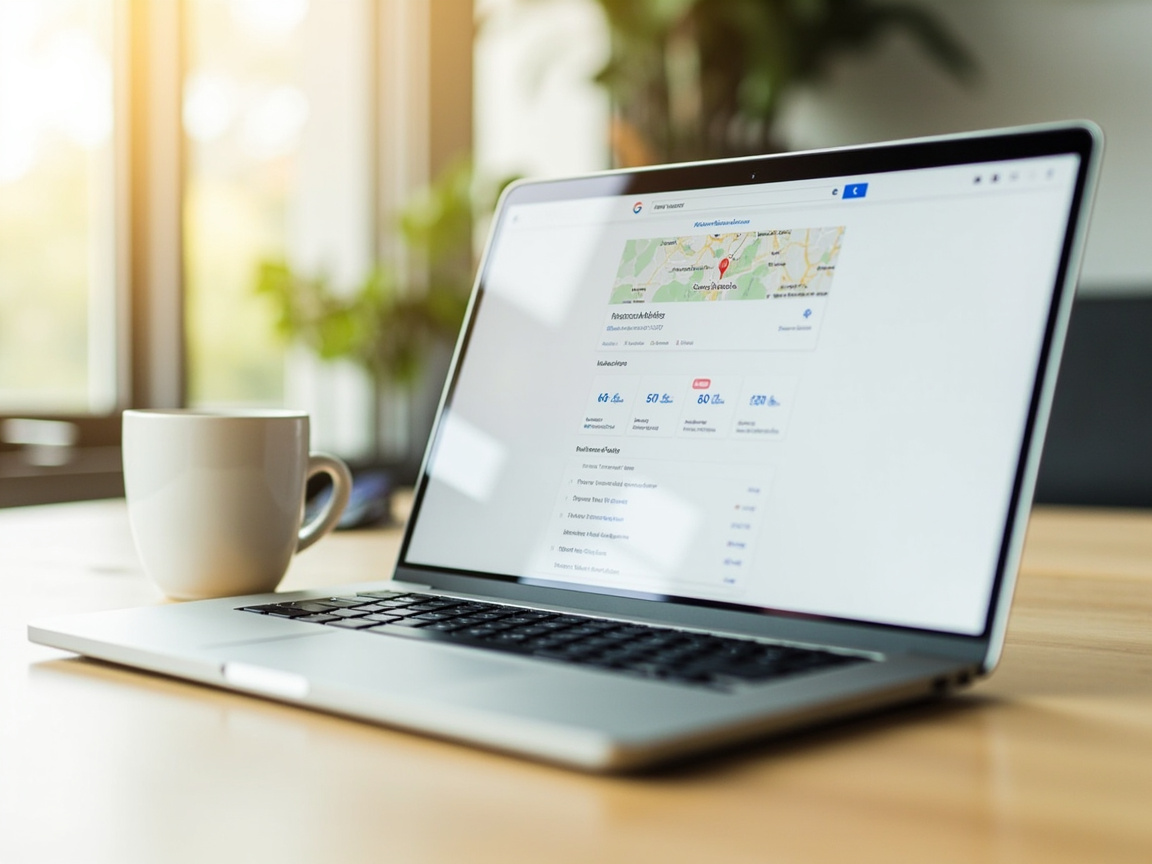
A website alone won’t automatically appear in local search results or in the Google Map Pack (those top three listings with the map that appear above organic results). To rank locally, your site needs to work alongside off-site signals: a claimed and optimized Google Business Profile, consistent directory listings, and locally relevant content.
Think of your website as your digital storefront. Local SEO is what puts the sign on the road that actually brings people to it.
—
What Is a Google Business Profile, and Why Does It Matter So Much?
Google Business Profile (formerly Google My Business) is the free listing that appears in Google Search and Google Maps when someone searches for your business name or a relevant category.
It’s arguably the single most important tool for local SEO visibility. When fully optimized, your profile shows potential customers:
- Your hours, address, and contact information
- Photos of your business, team, or products
- Customer reviews and your responses to them
- Your services, products, or menu
- Recent posts, updates, and offers
Google draws heavily from your Business Profile when deciding where to rank you in local results. An incomplete or unclaimed profile is one of the fastest ways to fall behind competitors — even if your website is excellent.
If you haven’t claimed and fully filled out your profile yet, start there. It’s free, it’s impactful, and it often produces visible results faster than almost anything else.
—
How Long Does Local SEO Take to Work?
Honest answer: it depends — but you should generally expect to see early movement within 3 to 6 months, with more meaningful traction building from there.
The timeline is shaped by several factors:
- How competitive your local market is — a dentist in a major metro faces a very different landscape than a dentist in a smaller city
- Whether you’re starting from scratch or building on existing authority
- How consistently you’re creating local content and gathering new reviews
- How complete and active your Google Business Profile is
One thing to be clear on: local SEO is not a one-time project. The businesses that hold strong local visibility over time are the ones that treat it as an ongoing part of their marketing — not a task they crossed off once and moved on from. For a more detailed breakdown of what to expect and when, our guide on realistic SEO timelines goes deeper.
—
Do Online Reviews Really Affect My Local Search Rankings?
Yes — and more directly than most people realize.
Reviews are a confirmed local ranking factor. A higher volume of reviews and a stronger average rating can meaningfully improve where your business appears in search — especially in the Map Pack, where visibility is highest.
But it’s not just about total count. Google also factors in:
- Recency — a steady stream of new reviews signals an active, credible business
- Response rates — businesses that consistently respond to reviews, including negative ones, tend to rank better
- Keyword mentions in reviews — when customers naturally reference specific services or locations, it reinforces your relevance for those searches
The practical takeaway: build a simple, repeatable process for asking satisfied customers to leave a review. A follow-up text or email with a direct link removes friction — and most people are willing to help if they had a good experience and you make it easy.

—
What Are Local Citations, and Do They Still Matter?
A local citation is any online mention of your business’s name, address, and phone number — on directories like Yelp, the Better Business Bureau, industry-specific platforms, or your local chamber of commerce site.
They still matter, but the focus has shifted. The biggest issue today isn’t having the most citations — it’s consistency. If your business information is listed differently across different sites (even small discrepancies like “Suite 4B” vs. “Ste. 4B,” or “Street” vs. “St.”), it can create confusion for search engines and weaken your local authority.
Audit your existing listings periodically. Tools like BrightLocal or Moz Local can help you find and fix inconsistencies without spending hours doing it manually.
—
Can I Do Local SEO Myself, or Do I Need to Hire Someone?
You can handle the basics yourself — especially early on. Claiming your Google Business Profile, making sure your NAP is consistent across the web, and developing a habit of requesting reviews are all DIY-friendly tasks that produce real results.
Where things get more complex:
- Creating local landing pages and blog content targeting area-specific searches
- Technical SEO — schema markup, page speed, mobile optimization
- Citation auditing and cleanup at scale
- Interpreting analytics and adjusting your strategy based on what the data actually shows
For many small business owners and lean teams, the time cost of managing all of this consistently starts to outweigh the savings of doing it in-house. A capable local SEO partner moves faster, catches issues most owners wouldn’t identify, and frees you up to focus on running your business.

—
How Do I Know If My Local SEO Is Working?
Don’t rely on searching for yourself and checking whether your listing appears — that’s not a reliable benchmark. Search results vary based on your physical location, device, browser history, and other personalized factors.
More reliable indicators to track:
- Google Business Profile Insights — views, direction requests, website clicks, and call clicks directly from your profile
- Google Search Console — shows which queries your site is appearing for and how often visitors are clicking through
- Rank tracking tools — let you monitor your position for specific local keywords over time
- Actual leads and inquiries — ultimately, the proof is in real people contacting you through search
Set a clear baseline when you start and check in monthly. Look for trends over 90-day windows rather than week-to-week swings. Local SEO progress is gradual, but it compounds — and consistent tracking makes it possible to see what’s working before investing more heavily in any one direction.
—
The Bottom Line
Local business SEO visibility isn’t about gaming an algorithm. It’s about making sure your business is accurately represented across the web, consistently earning trust through reviews and content, and staying at it over time.
The businesses showing up first in local search didn’t get there by luck. They made local visibility a priority — and kept it one.
If you’re ready to take a more strategic approach to your local presence, Xcelerated Media works with small and growing businesses to build local SEO strategies that deliver real, lasting results. Reach out to start the conversation.