
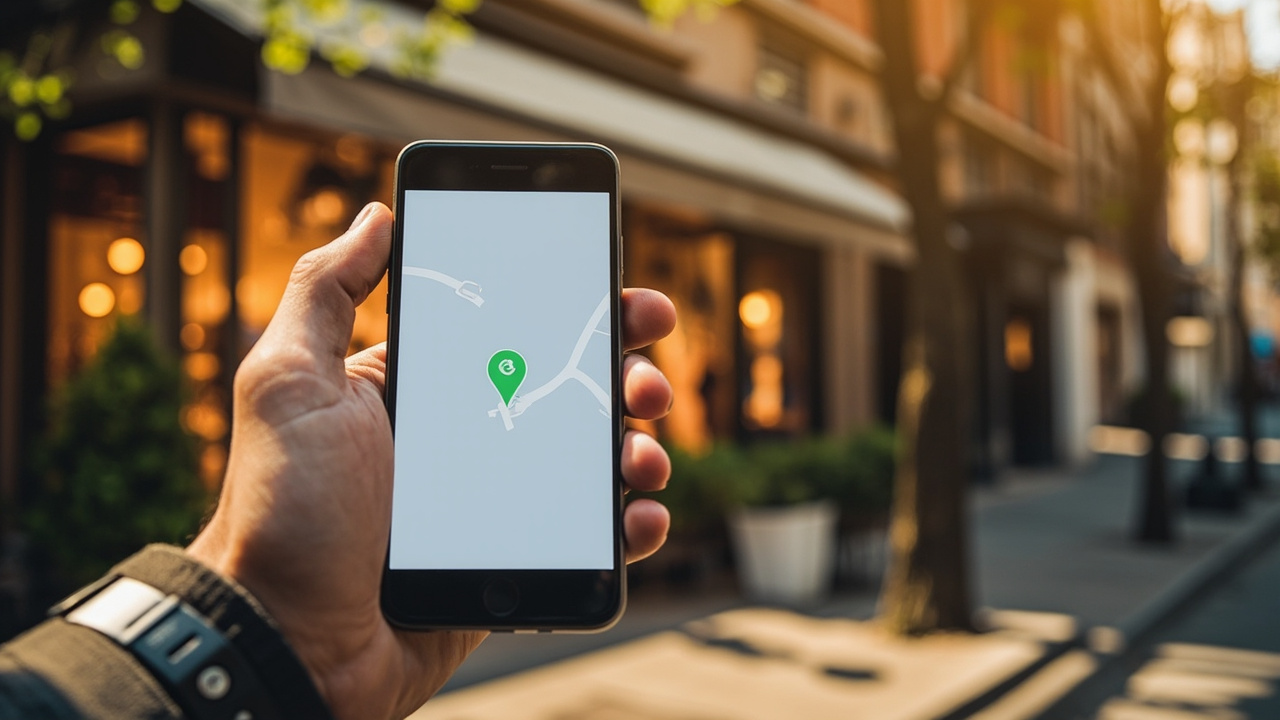
You could have the best coffee shop, plumber, or boutique fitness studio in your city — and still lose business to a competitor three blocks away, simply because they show up in local search and you don’t. Local business SEO visibility isn’t a nice-to-have; it’s how customers find you before they ever visit your website or walk through your door.
For most local businesses, buying decisions start with a search like “electrician near me” or “best pizza in [city].” If you’re not appearing in those results — specifically in the local map pack and organic listings — you’re invisible at the exact moment someone wants what you offer.
This guide breaks down what local SEO visibility actually means, why it matters, and what you can do to improve it without a massive marketing budget.
What “Local SEO Visibility” Actually Means
Local SEO visibility is how prominently your business appears in geographically targeted search results — the map pack (the three listings that appear under a map on Google), the organic results beneath them, and voice search queries tied to a location.
There are two primary places this shows up:
- The Local Pack (Map Pack): The top three business listings Google displays for local-intent queries. This is prime real estate — most users click here before scrolling anywhere else.
- Organic Local Results: Standard search results relevant to your city, neighborhood, or service area.
Ranking in both is the goal. But they’re governed by slightly different signals, and understanding that distinction is key to building a strategy that actually sticks.
Why Local SEO Is Different from General SEO
General SEO is about earning authority and relevance in a broad topic area. Local SEO adds a geographic layer: Google needs to trust that your business is where you say it is, that it serves people nearby, and that it’s legitimate and well-regarded by the local community.
The core ranking factors shift accordingly:
- Proximity: How close your business is to the searcher or the searched location
- Relevance: Whether your business category and content match the query
- Prominence: How well-known and trusted your business appears — based on reviews, citations, and backlinks
You can influence relevance and prominence directly. Proximity is fixed — but with the right strategy, you can meaningfully expand the geographic footprint where you’re competitive.
The Four Pillars of Local Business SEO Visibility
1. Google Business Profile
Your Google Business Profile (GBP) is the single most important tool for local SEO visibility. It powers your map pack listing and is often the first thing a potential customer sees — before they even reach your website.
A well-optimized GBP includes:
- Accurate, consistent business name, address, and phone number
- The right primary category (plus relevant secondary categories)
- Complete business hours, including holiday updates
- A keyword-rich, genuine business description
- Regular posts, photos, and answered Q&As
- Thoughtful responses to every review — positive and negative
Businesses that treat their GBP as a living, updated asset consistently outperform those that set it up once and walk away. Google pays close attention to activity signals.
2. NAP Consistency and Local Citations
A citation is any online mention of your business name, address, and phone number — on directories like Yelp, Yellow Pages, Angi, or industry-specific platforms. Google uses these to verify that your business information is accurate and trustworthy.
Inconsistency is a silent ranking killer. If your address appears slightly differently across platforms (“St.” vs. “Street,” “Suite” vs. “Ste.”), Google’s confidence in your information drops — and so can your rankings.
Audit your citations regularly. Tools like BrightLocal or Moz Local can surface discrepancies and help you clean them up efficiently.

3. On-Page Local SEO
Your website still matters. Even with a strong map pack presence, your site is what converts the visitors who click through — and strong organic rankings extend your total local visibility.
Key on-page moves:
- Include your city and service area naturally in page titles, headers, and body copy
- Create dedicated location pages if you serve multiple areas — but only if the content is genuinely useful and distinct for each one
- Embed a Google Map on your contact page
- Use LocalBusiness schema markup to help Google understand your NAP and business type
- Keep your contact information identical to what’s on your GBP
4. Reviews and Reputation Signals
Reviews are both a ranking factor and a conversion factor. Businesses with a higher volume of recent, positive reviews tend to rank better in the local pack — and earn more clicks when they do appear.
The playbook is straightforward, but it requires consistency:
- Ask satisfied customers for reviews; a follow-up text or email with a direct link removes friction
- Respond to every review promptly and professionally — your response is public and signals care to future customers
- Never buy fake reviews; Google’s systems are increasingly effective at detecting them, and the risk far outweighs any short-term gain
Recency matters. A steady stream of new reviews consistently outperforms a one-time surge from three years ago.
Common Mistakes That Hurt Local Visibility
Even businesses with a real local presence make these errors:
1. Unclaimed or incomplete GBP listings — Google may auto-generate a listing for your business. If you haven’t claimed it, you have zero control over what it shows.
2. Duplicate listings — Multiple GBP entries for the same location confuse Google and split your authority.
3. Keyword stuffing in your business name — Adding keywords that aren’t part of your actual business name violates Google’s guidelines and can result in your listing being suspended.
4. Ignoring mobile UX — The majority of local searches happen on mobile. A slow or hard-to-navigate mobile site hurts both rankings and the conversions you worked to earn.
5. No location pages for multi-area businesses — If you serve three cities but only mention them in a footer, you’re leaving significant visibility on the table.
How to Tell If Your Local SEO Is Working
Tracking local SEO visibility doesn’t require enterprise software. Start with:
- Google Business Profile Insights: Shows how customers found you (Search vs. Maps), what queries triggered your listing, and how many called, clicked through, or requested directions.
- Google Search Console: Tracks impressions and clicks for location-based queries hitting your website.
- Local rank tracking tools: Tools like BrightLocal or Local Falcon show your ranking across a geographic grid — so you can see where you’re winning and where you’re losing ground to competitors.
- Conversion signals: Calls from your GBP, direction requests, and website clicks are all measurable indicators that your local SEO is generating real-world interest.

Set a baseline, review it monthly, and focus on trends over time rather than week-to-week fluctuations. Local SEO moves slowly — but the cumulative effect is substantial.
The Bottom Line
Local business SEO visibility is one of the highest-ROI investments you can make, precisely because the intent behind local searches is so high. Someone searching “dentist near me” is ready to book. Someone searching “emergency plumber [city]” needs help right now.
Getting in front of those searches — consistently, across the right locations — takes deliberate effort across your Google Business Profile, website, citations, and review strategy. None of it is especially complicated, but all of it requires consistency.
If you’re not sure where your local visibility stands right now, that’s the best place to start. A proper audit surfaces the gaps quickly — and most of them are far more fixable than you’d expect.