
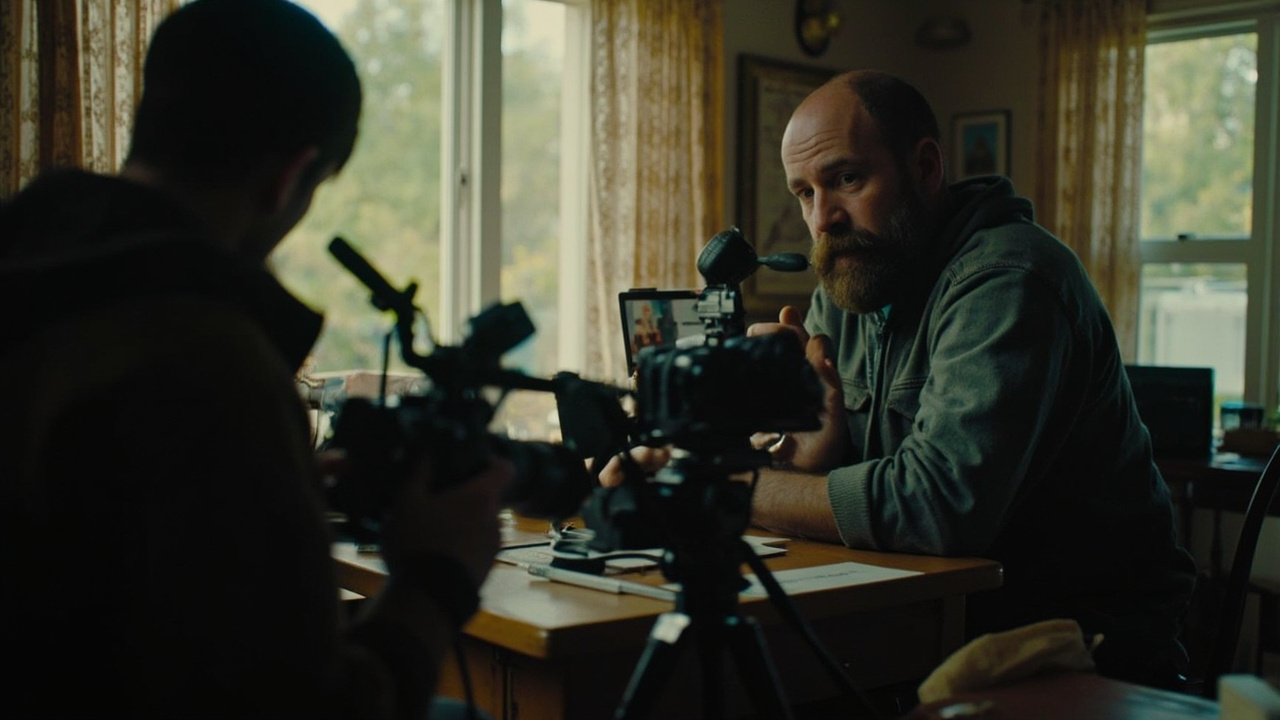
Video has become the default way people research, compare, and decide — whether they're picking a dentist, a contractor, or a new coffee shop to try. But "just make videos" isn't a strategy. If you're a small business owner trying to figure out where video actually fits into your marketing, you need a plan that matches your time, budget, and goals — not a playbook built for a brand with a studio and a production team.
This guide walks through how to build a video content marketing strategy for small business growth, step by step, with realistic formats and a workflow you can actually sustain.
Why Video Matters in Your Content Marketing Strategy
Video isn't a replacement for the rest of your content marketing strategy — it's an extension of it. The same audience research, messaging, and goals that guide your blog posts and emails should guide your videos too.
What video adds that other formats can't replicate as easily:
- Faster trust-building. Seeing a real person explain something or show their work builds credibility quicker than text alone.
- More platform reach. Short-form video is currently favored by the algorithms on Instagram, TikTok, and YouTube Shorts, which means it often gets surfaced to people who've never heard of you.
- Repurposing value. One video can become social clips, a blog embed, an email asset, and a testimonial page element — more mileage per piece of content created.
If you already have a documented content marketing strategy, video should slot into it as a format, not sit off to the side as a separate initiative.
How to Build a Video Content Marketing Strategy for Small Business: Step by Step
1. Define Your Video Marketing Goals
Pick one primary goal before you touch a camera. Common small business goals for video include building local trust, driving traffic to a website or booking page, generating leads, or supporting sales conversations with explainer or demo content.
Vague goals like "get more views" don't tell you what to make or how to judge success. Tie your goal to something tangible: more consultation requests, more newsletter signups, more foot traffic from a specific neighborhood, or shorter sales cycles because prospects already understand your offer before they call.
2. Know Your Audience's Pain Points
Your videos should answer the questions your ideal customers are already asking — in reviews, in DMs, in the "frequently asked" pile from your front desk or inbox. If people constantly ask how your process works, what something costs to get started, or how long a service takes, that's your video content calendar writing itself.
Avoid guessing. Pull actual language from customer questions, support tickets, and reviews so your scripts sound like answers, not ads.
3. Choose the Right Video Formats for Your Business
Not every format fits every business. Match the format to what you're actually trying to communicate:
- Explainer/how-to videos — good for service businesses that need to simplify a complex process.
- Behind-the-scenes clips — build trust by showing real people, real workspaces, and real craftsmanship.
- Customer testimonials — strong for high-trust purchases like legal, medical, home services, or anything with a longer decision cycle.
- Product demos — useful for ecommerce or anything with a visual "aha" moment.
- Short-form social clips — quick tips, myth-busting, or day-in-the-life content for discovery and reach.
Most small businesses don't need all five. Pick two or three that match your sales process and audience's biggest hesitations.
4. Develop a Clear Message Before You Film
Every video needs a single point. Before filming, write down: Who is this for? What problem does it solve? What's the one thing I want them to remember or do next?
Skipping this step is the most common reason small business videos feel rambling or generic — the creator didn't decide what the video was actually for before hitting record.
5. Plan Production Without a Big Budget
You don't need a studio to make video work. What you need is consistency and decent audio and lighting — both achievable with a smartphone, a basic clip-on microphone, and a window for natural light.
A few practical production habits that keep small business video sustainable:
- Batch film. Shoot several videos in one session instead of starting from scratch each time.
- Script the first and last line. The middle can be loose, but a strong hook and a clear call-to-action matter most.
- Reuse settings. A consistent backdrop (your storefront, workspace, or a simple branded wall) saves setup time and builds visual recognition.
- Keep a running list of ideas pulled from customer questions so you're never staring at a blank page on filming day.
6. Optimize Each Video for the Platform It's On
A video built for YouTube shouldn't be posted unedited to Instagram Reels or TikTok, and vice versa. Platform habits differ:
- YouTube rewards longer, searchable, how-to style content with strong titles and thumbnails.
- Instagram and TikTok favor short, fast-hook vertical video, often under a minute.
- LinkedIn performs best with video that reads as insight or expertise, not a hard sell.
- Email and website can host longer-form or more polished versions, like testimonials or full product demos.
Plan to trim, re-caption, and sometimes re-cut the same core footage for each destination rather than posting one version everywhere.
7. Build a Simple, Repeatable Content Calendar
Video is one of the easiest formats to let slip when things get busy, which is exactly why it needs a calendar. A workable cadence for most small businesses is modest and consistent — one filming session every few weeks that produces enough footage to cover several weeks of posts — rather than an ambitious daily schedule that quietly stops after a month.
A simple framework to copy into your own planning doc:
| Week | Video Focus | Platform | Goal |
|---|---|---|---|
| 1 | Customer FAQ or myth-bust | Instagram/TikTok | Engagement |
| 2 | Behind-the-scenes clip | Instagram/Facebook | Trust |
| 3 | Short how-to / tip | YouTube Shorts | Discovery |
| 4 | Testimonial or case highlight | Website/email | Conversion |
8. Promote and Distribute With Intention
Posting and hoping is not distribution. Pin your best videos, link to them from relevant blog posts, embed them in service pages, and feature strong testimonials in email campaigns. If you're already working on how to repurpose content across platforms, apply the same thinking to video — one piece of footage can fuel a week's worth of touchpoints.
9. Measure What Actually Matters
Vanity metrics like total views feel good but rarely tell you whether video is helping the business. Watch retention (are people dropping off in the first few seconds?), click-throughs to your site or booking page, and whether leads mention seeing your video. These are closer to proof that video is doing its job. For a deeper look at tying this back to business outcomes, see this guide on measuring ROI from social and video content.
10. Repurpose Every Video Across Channels
Treat each video as raw material, not a one-time post. A single customer testimonial can become a social clip, a quote graphic, a line in an email, and a snippet embedded on your homepage. This is where small businesses get the most return for the least additional effort — you're not creating more, you're reusing smarter.
Video Content Marketing Strategy for Small Business: A Simple Example
Here's a hypothetical walkthrough of how these steps might come together for a local service business — not an actual client or result, just an illustration of the process in action.
Imagine a small residential cleaning company. Its goal is more booked estimates from its local area. Its audience's biggest hesitation, based on reviews and calls, is not knowing what's actually included in a standard cleaning.
A reasonable video approach: one behind-the-scenes video showing a real cleaning in progress, one short FAQ video answering "what's included," and one brief testimonial-style clip. All three get filmed in a single afternoon, trimmed into platform-specific versions, and spread across a few weeks — the testimonial clip also gets embedded on the booking page where it can influence someone already close to deciding.
Nothing here requires a production crew. It requires a clear goal, a known pain point, and a plan to reuse the footage more than once.
Video Marketing Examples: Formats Worth Trying
If you're not sure where to start, these formats consistently work well for small businesses across industries:
- "What's included" or pricing-transparency videos for service businesses with complex or confusing offerings.
- Quick tip or myth-busting clips that position you as the expert without a hard sell.
- Staff or owner introduction videos that put a face to the business, especially useful for local and professional services.
- Before-and-after style demos for anything visual — renovation, beauty, landscaping, product-based businesses.
- Short testimonial clips gathered organically after a great customer interaction, even filmed on a phone.
Common Mistakes Small Businesses Make With Video
- Trying to go viral instead of serving the audience. Chasing trends without relevance rarely converts.
- Over-investing in production before testing the message. A polished video with the wrong message underperforms a rough video that answers a real question.
- Posting once and giving up. Video, like any content format, needs consistency to build momentum.
- Ignoring captions and accessibility. Many viewers watch with sound off — captions aren't optional.
- Skipping a call-to-action. Every video should tell the viewer what to do next, even if it's simply "learn more" or "visit the link in bio."
Bringing It All Together
A video content marketing strategy for small business success doesn't require a studio, a big team, or a massive budget. It requires a clear goal, a real understanding of your audience's questions, a sustainable production habit, and a willingness to reuse what you create instead of starting from zero every time.
Start small: pick one goal, one or two formats, and a cadence you can actually keep up with. Build from there as you learn what resonates.
If you'd like help weaving video into a broader content and SEO plan rather than treating it as a one-off project, that's exactly the kind of strategy work our team at Xcelerated Media supports — get in touch to talk through what makes sense for your business.